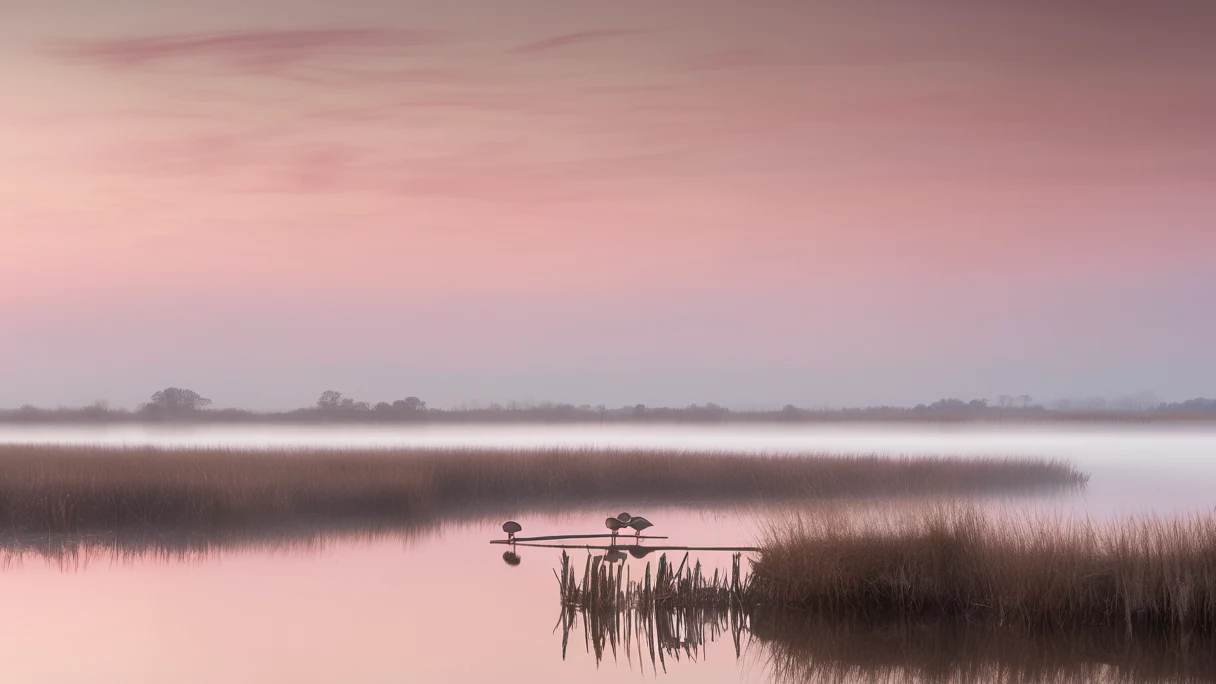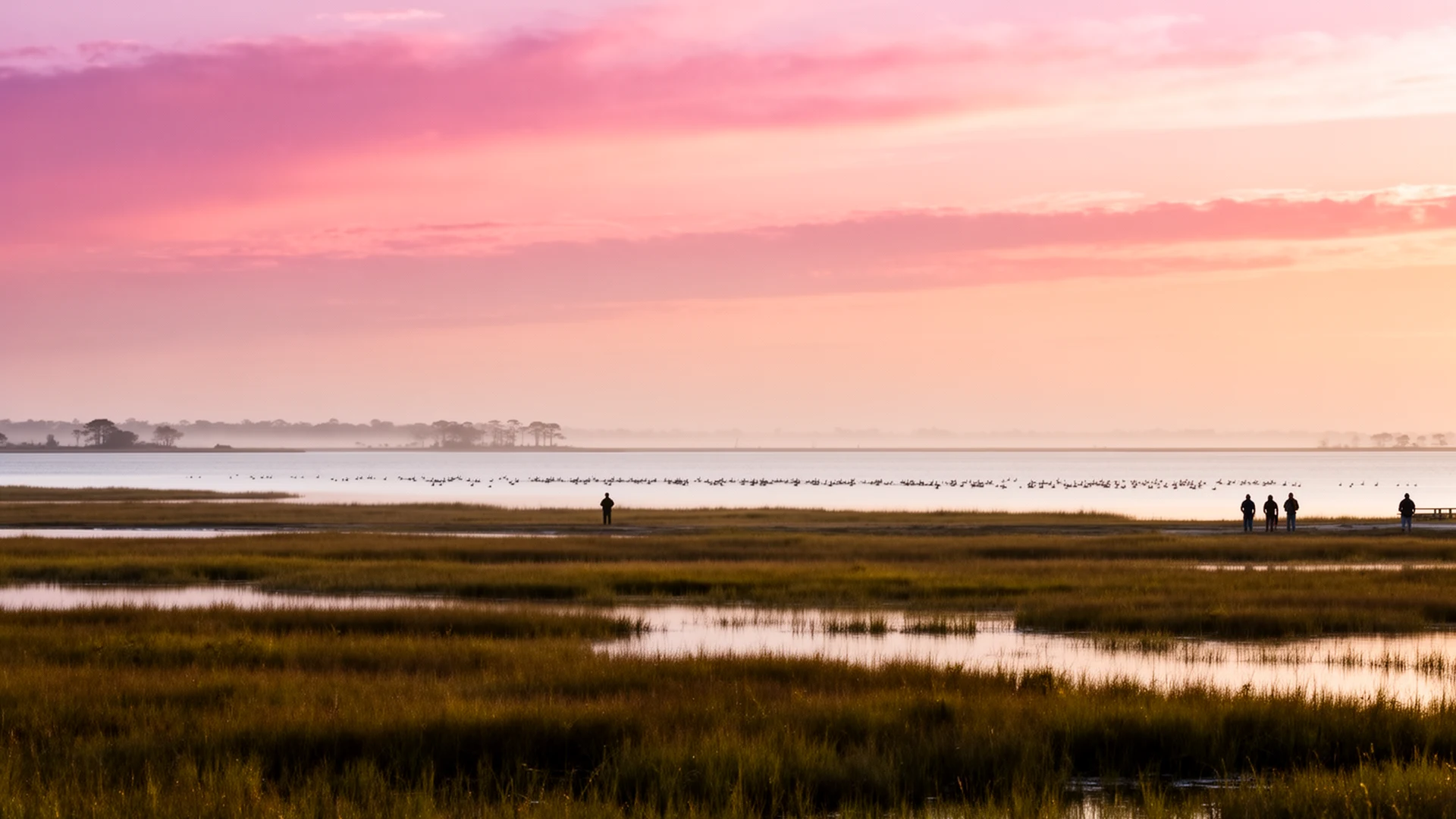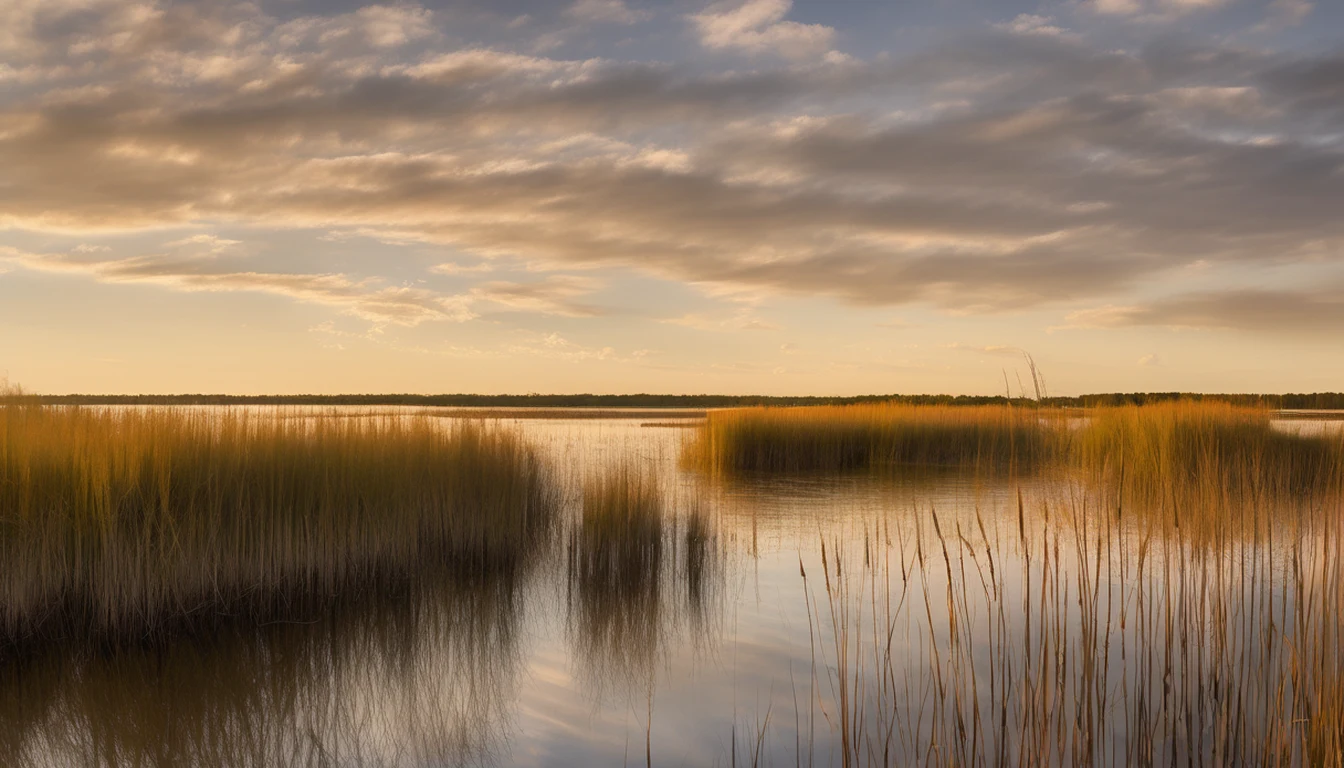


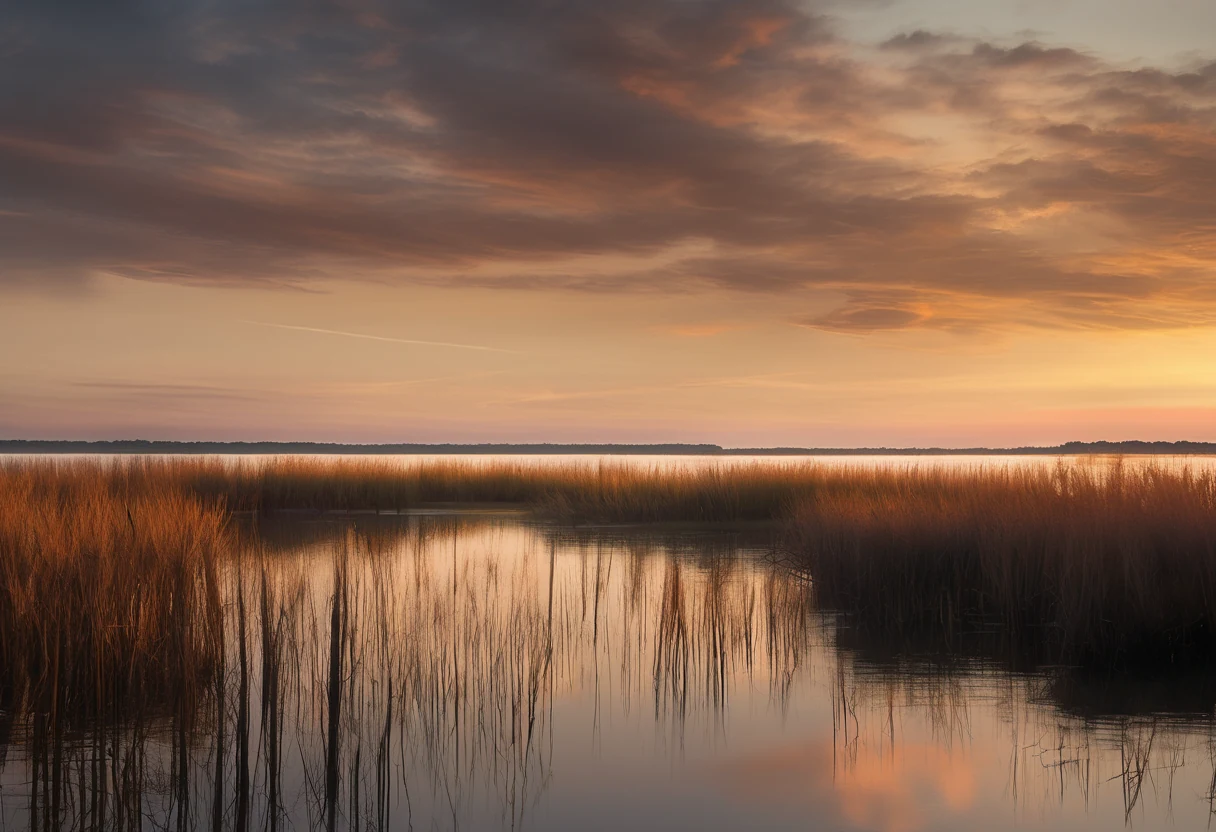
The wind comes off Lake Mattamuskeet in November with a sound you feel in your chest, and the swans come with it. Tundra swans by the thousands, Canada geese stacked in Vs down the flyway, and a steady line of trucks on the refuge roads before first light. If you’ve only seen Hyde County in July, you’ve seen half the market. Waterfowl season doesn’t just fill the sky. It changes what certain ground is worth, in seven structural ways that have nothing to do with the size of the house or the age of the roof.
1. The refuge system caps the supply of huntable private ground
Federal land is permanent. Mattamuskeet National Wildlife Refuge, established in 1934, protects roughly 50,000 acres around the lake, and Swanquarter National Wildlife Refuge adds 16,411 acres of Pamlico Sound marsh, including an 8,800-acre federal wilderness area. None of it will ever be developed, platted, or sold. That means the supply of huntable, birdable private ground near the water is fixed in a way ordinary rural land isn’t. Scarcity is structural here: fewer parcels exist near the refuge, and the ones that do carry real, specific interest. It cuts both ways, but it is a fact of the market, not a rumor.
2. Buyers show up on the season’s calendar
The serious buyer for a hunt parcel is most reachable from November through February, when the birds are actually on the ground. Hunt clubs, lodge operators, and outfitters do their evaluating during the season, not in August. The documented baseline for that demand is the refuge’s own hunt program: a permitted, quota-based public waterfowl hunt where drawn applicants pay a $15-per-person, per-day user fee, with the lottery moving to Recreation.gov in 2026. When a federal refuge runs a lottery for hunting spots, the interest in the ground around it is not a marketing guess.
3. Impoundment infrastructure is capital, not decoration
An impoundment is an engineered thing: a field a landowner floods and manages with water control structures, levees, pumps, and moist-soil plantings to hold ducks and geese. On a plat map, a working impoundment and a neglected one look the same size. They are not the same purchase. One carries functioning water control and current wetland permitting. The other is a repair project priced into your offer, whether the seller acknowledges it or not. Walk the ground with someone who can read the infrastructure before you value the parcel around it.
4. Documented lease income changes the underwriting
A blind lease is simple in concept: a landowner leases hunting rights and blind access to a club, an outfitter, or a group of hunters for a season. Arrangements run from a handshake between neighbors to an insured lease managed by a company, and those are not the same asset. Treat lease revenue like the small-business income it is. Ask for the lease agreement, payment history across multiple seasons, and whether the lease is assignable to a new owner at closing. A documented income stream can be a real underwriting input. A seller’s verbal estimate of what the ground “usually brings in” is not a document, and it won’t survive diligence.
5. Close to the refuge is a category, not a premium
Proximity to the refuge system is a real category in this market. It puts a parcel in range of lease interest and impoundment potential, and it draws the buyer who knows exactly why they’re here. What it is not is a guaranteed per-acre number. Nobody has published a clean dataset isolating a Mattamuskeet premium from ordinary variation in acreage, drainage, and road frontage, and anyone who quotes you a confident countywide figure is guessing. Price proximity for what it verifiably does: attract interest and support use. Don’t pay a premium for a label.
6. The season runs a visitor economy that feeds lodging math
Hunters, birders, and wildlife photographers need somewhere to stay from November through winter’s end. The same refuge roads that host duck trucks in December host spotting scopes in January, and that modest seasonal visitor economy is the honest basis for any short-term rental or lodge math near the lake. Evaluate it on its own merits, with real season occupancy and real rates, rather than assuming the swans fill every bed. The interest is real. The occupancy spreadsheet is still yours to build.
7. The view doesn’t override the flood and insurance math
The prettiest duck pond in the county still sits on Hyde County ground, and Hyde County is roughly 58% water by area. A meaningful share of shoreline and marsh-adjacent land carries a high-risk flood designation on the FEMA maps, and coastal wind coverage here is often written through the NCIUA, the state’s Beach Plan. That means the insurance stack comes with the view: flood, wind, and a standard policy, with the premiums priced into your debt-to-income math. Waterfowl season explains why the land draws buyers. It does not override the flood maps, and it does not excuse the due diligence.
The honest trade-off
None of this makes a Hyde County hunt parcel a bad buy. It makes it a specific buy with a specific calendar. You get a fixed, real supply of waterfowl ground near two federal refuges, a buyer pool that arrives with the birds, and lease income that can actually pencil when it’s documented. You also get a thin-services county, a three-policy insurance stack, and a market that moves on a season’s rhythm rather than a year-round one. What you’re buying is a place that rewards the buyer who shows up in November, does the document work, and respects the water.
The Bottom Line
Seven structural ways the season shapes value, and all seven are verifiable before you write an offer. Travis pulls refuge-boundary maps, walks impoundment condition, and reads lease documents with hunt-property buyers every season. Call or text him at (252) 202-4945, or start with the hunt economy chapter for the full walkthrough.