
ActiveHistoric
+56 photos$825,000
$332/sq ft
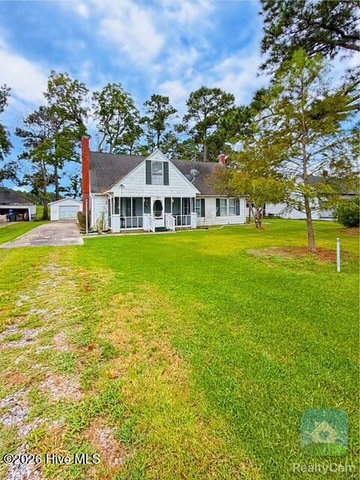
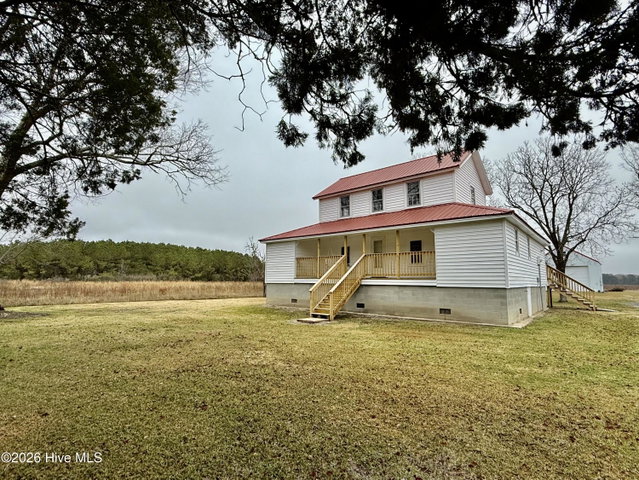
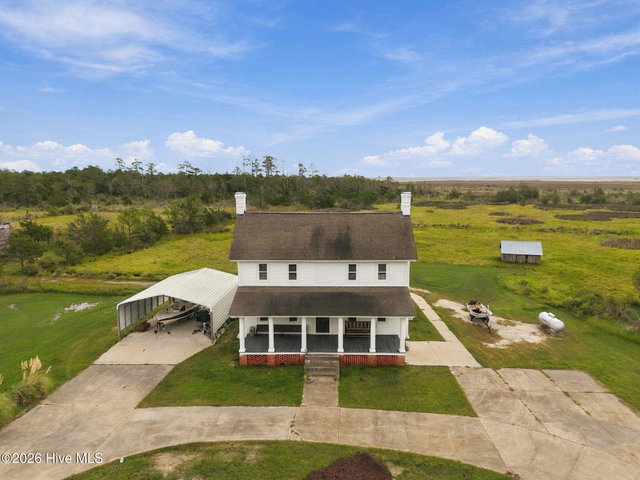
3 bd·3 ba·2,486 sq ft·91.50 ac
1435 Goshen Road, Engelhard, NC 27824
Year Built: 1900
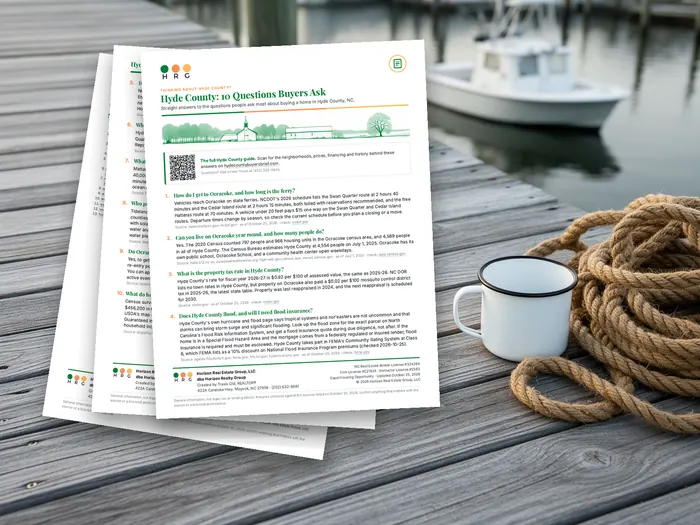 Free 3-page PDFHyde County Buyer FAQ
Browse
All Active ListingsEvery active mainland Hyde County listingSearch ListingsPrice, bedrooms, type and featuresOne-Story HomesSingle-level homesMy Saved ListEverything you have heartedBy Category
New ConstructionNewly built homes across mainland Hyde CountyHunt Land & AcreageImpoundments, timber, and recreational tractsLotsResidential lots under 3 acresLandParcels of 3 acres or moreWaterfrontPamlico Sound, canals, and creek frontageVillage HomesSwan Quarter, Engelhard, Fairfield, ScrantonHistoric HomesPre-1950 stock, and the NC rehab tax creditRentals & LeasesThe short, honest list of mainland leasesUnder $300KThe affordable end of this marketWhat's a Buyer's Brief? A free, plain-English guide to buying here: the real costs, the rules and the trade-offs, written by a working broker.
The Hyde County Buyer's Brief
1. The Mattamuskeet ThesisNC's Largest Natural Lake & What It Does for Land Values2. Swan Quarter, Engelhard & the VillagesThe Honest Inventory of Town Life on the Mainland3. The Hunt EconomyImpoundments, Blind Leases & Lodge UnderwritingAll 8 chapters →Later Chapters
4. Flood, Wind & Insurance RealityThe Chapter That Kills More Hyde Deals Than Price Does5. Land, Soils & BuildingDrained Ag Land, Wetlands, Elevation & CAMA Permits6. Ocracoke: A Different PlanetA Teaser, Not a Guide — the Island Is Its Own Market7. Financing in Hyde CountyUnderwriting Remote — the Short Version8. Making the DecisionHunter, Investor, Homesteader or Lodge — Which Buyer Are You?The Numbers
Market ReportActive count, price bands, days on marketNortheast NC counties comparedCompare Hyde against the Northeast & Eastern NC countiesFinancing Deep Dives
Financing OverviewUnderwriting remote — the long versionUSDA EligibilityZero down, and where the county qualifiesFHA Loan LimitsThe 2026 limit and what it buys hereDown Payment AssistanceNCHFA programs that apply hereHistoric Tax CreditsFairfield, Lake Landing, and the Tier 1 bonusRental InvestmentHUD fair market rents and the mathHyde County, NC
Homes built 1950 or earlier in mainland Hyde County.
The Brief · New listings by email
A short email when something new fits. No account to make, and one click stops it.
You're on the list. The next new historic listing in Hyde County comes to your inbox.
Nothing in that era is on the market right now.
On inventory this thin an empty era is expected rather than surprising. Try another era, or see every historic listing currently active.
Homes built 1950 or earlier in mainland Hyde County — the farmhouse, village and coastal-cottage stock that the Lake Landing and Fairfield National Register districts are made of. This is a small county with a thin market, and this is a narrow slice of it: expect a short list, and sometimes an empty one. What is here is real and current from HIVE MLS, and the district and tax-credit context below stands on its own either way.
Want more targeted matches?
Tell me a bit about what you're looking for — 30 seconds, totally optional.
Got it — thanks.