

The state ferry idles at the Swan Quarter dock before first light, diesel ticking, gulls working the pilings, the Pamlico Sound flat and gray to the horizon. That’s the closest thing Hyde County has to a rush hour. In this county, the deals rarely break on the price of the house. They break on the costs around it: the insurance stack, the ground you’re building on, the systems that never show up in a listing. Here are the seven I walk every Hyde County buyer through before they write an offer.
1. Wind and flood insurance on top of a standard policy
Hyde County is roughly 58% water by area, and a lot of the ground near the sound, the marsh, and the lake carries a high-risk flood designation on the FEMA maps. When a parcel sits in a Special Flood Hazard Area and you’re using a federally backed loan, flood insurance is a condition of the loan, not a suggestion. On top of that, wind and hail coverage here is often written through the NCIUA, known statewide as the Beach Plan, the residual market the state created for eligible coastal counties. The practical result: a lot of Hyde owners carry three policies, not one, with three renewal dates and a combined premium that can move your debt-to-income math. Nobody can quote you that number from a blog post. Get quotes from a licensed NC agent on the actual property before you’re under contract. The flood, wind and insurance chapter is the full walkthrough.
2. Elevation certificates and the price of building high
For an existing house, a current elevation certificate is one of the few things that measurably changes what you pay for flood insurance. If the seller doesn’t have one, budget to order one. For new construction, the math is steeper: the base flood elevation sets how high the lowest floor sits, codes may add freeboard on top of that, and in much of this county getting a pad to that height means bringing in fill dirt. Placing fill is a regulated activity, usually a floodplain development permit and sometimes wetland permitting on top of it. Price the pad before you buy the land, not after. The land, soils and building chapter walks the sequence.
3. Septic systems that cost more than the brochure version
There’s no county-wide sewer in mainland Hyde. Outside the village systems you’re on septic, and the high water table is where the budget bites: a conventional system needs a certain depth of usable soil above the seasonal water table, and on a lot of this ground that depth isn’t there. The fix is usually an engineered alternative system, and those cost more, sometimes a lot more. The rule is simple: get a soil evaluation before your due diligence period ends, and tie your offer to an approved wastewater system for the home you actually intend to build. A beautiful parcel that can’t get a septic approval is a beautiful parcel you can’t live on.
4. Wetland determinations, even on dry-looking ground
This is the one that surprises people. Whether a parcel is jurisdictional wetland under federal law doesn’t depend on whether it looks wet the day you walk it. Soils, hydrology, and vegetation decide it, and ground kept dry by ditches can still carry wetland status. If your plans involve clearing, filling, or building, ask whether a Corps jurisdictional determination or an NRCS certified wetland determination exists for the parcel, get a copy, and make the contract contingent on the determination you need. That’s a contingency, which means it’s also a line item in your schedule. Wetland paperwork takes time.
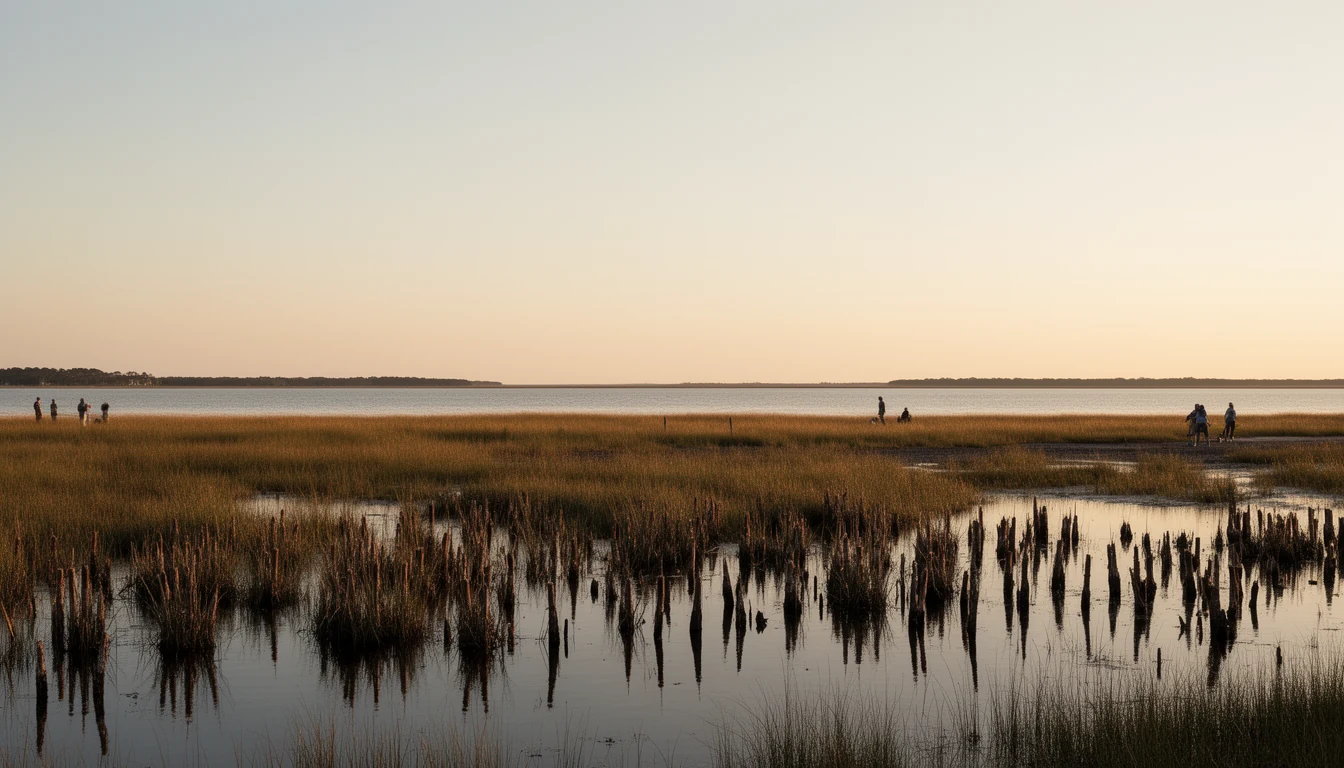
5. The drainage system you’re inheriting
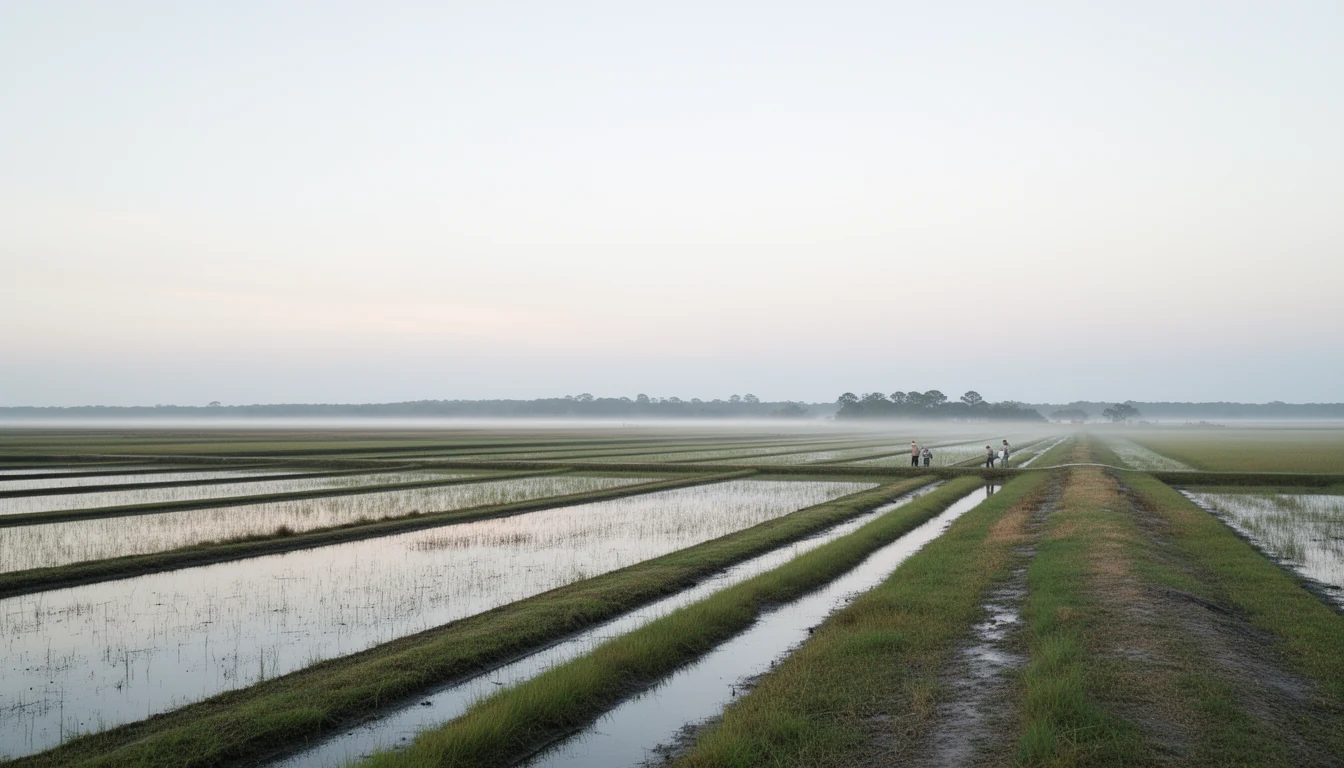
Nearly every acre of open farm ground in mainland Hyde started as wetland and stays usable because somebody engineered it: canals, field ditches, water control structures, and in places pumps. When you buy land here, you’re buying into that system. Ask who maintains the canals and outfall ditches the parcel depends on, whether there’s a drainage association or an assessment, and whether the drainage easements are recorded. A parcel whose water runs through a neighbor’s ditch with nothing in writing is a different purchase than one with recorded easements and a functioning maintenance arrangement, even if the two look identical from the road.
6. Land and mixed-use financing with longer timelines
Bare land borrows differently everywhere: shorter terms, larger down payments. Hyde adds two more layers. First, if a property has a revenue angle, a lodge, a hunt operation, blind leases, conventional mortgage lenders often won’t touch it, and you’re in portfolio or commercial territory with more documentation and a timeline measured in months, not weeks. Second, insurance quotes can change what you qualify for, which is why the sequence here is insurance first, contract second. Start the lender conversation before you have a property, not after. The financing chapter covers the order of operations.
7. The drive and the ferry, paid in time and fuel
Mainland Hyde has no incorporated town of any real size, and services are honest about it: a real grocery store, a pharmacy, a hardware store are drives. Belhaven is roughly 26 miles from Swan Quarter; Washington is roughly 51 miles up US-264; hospital-level care in Greenville is roughly 75 miles and about an hour and forty-five minutes via NC-45. And if your property is on Ocracoke, everything arrives by ferry: the Swan Quarter crossing runs about two hours and forty-five minutes and takes reservations, and the Hatteras crossing is free and runs about seventy minutes. Every contractor, appliance, and insurance adjuster gets to the island on that schedule. Price the logistics the same way you’d price a mortgage payment. The Ocracoke chapter explains why the island is its own market entirely.
The honest trade-off
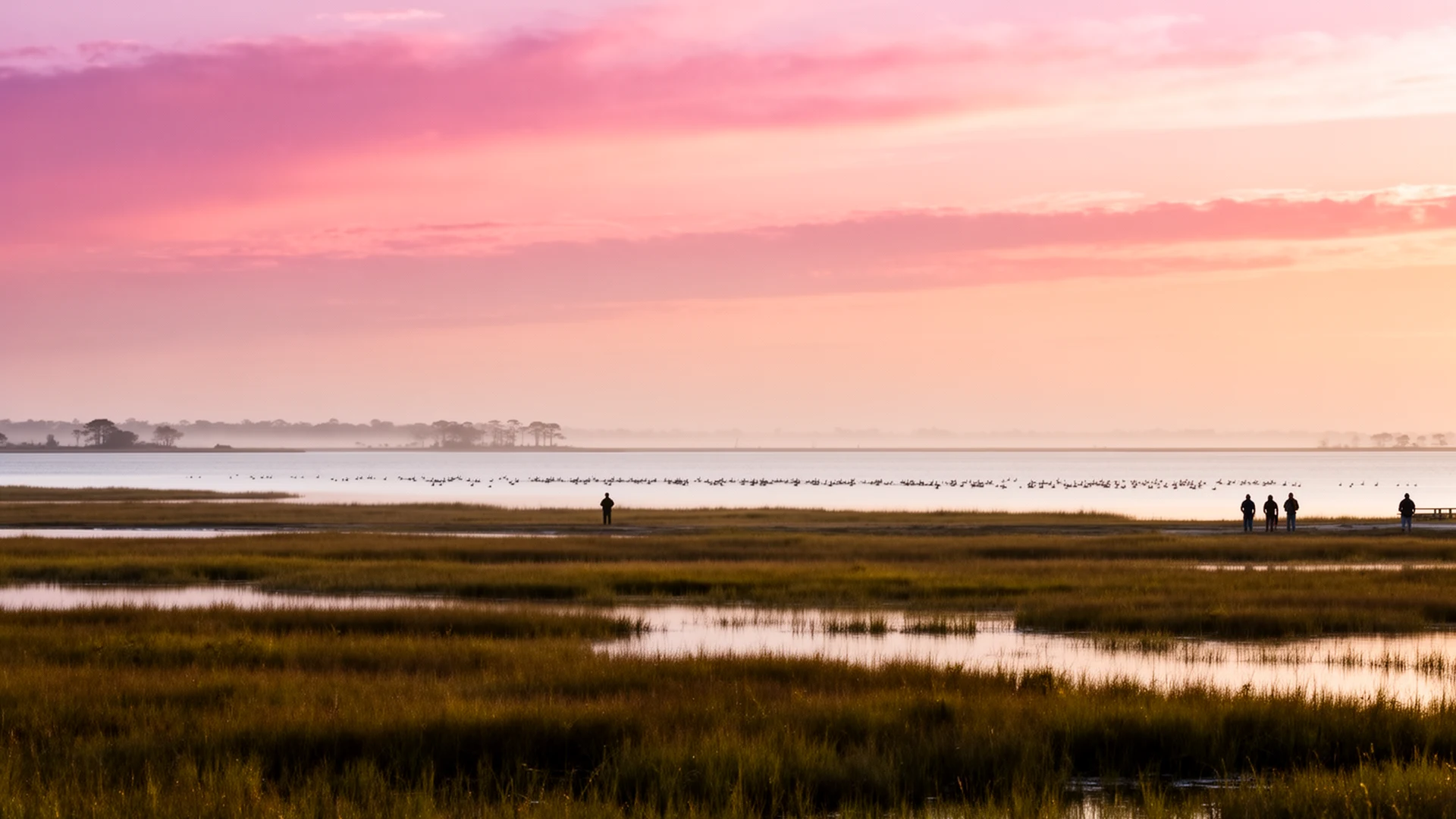
None of this makes Hyde County a bad buy. It makes it a specific buy. The county rewards buyers who price these seven costs before the offer and punishes the ones who find out after closing, and after closing is the expensive way to learn. What you’re trading for the insurance stack and the drive is real: the biggest natural lake in North Carolina at dawn, waterfowl by the thousands, a working-waterman rhythm you can’t find many places east of the Mississippi, and a depth of quiet most buyers only think they want. Just make sure you’re buying the quiet on purpose, not by accident.
The Bottom Line
Seven costs, all of them verifiable before you write an offer. Travis pulls flood layers, elevation certificates, insurance quotes, and soil evaluations on Hyde County properties every week, and he can walk you through the list against a specific parcel. Call or text him at (252) 202-4945, or schedule a chat, and start with the insurance chapter for the full walkthrough.