

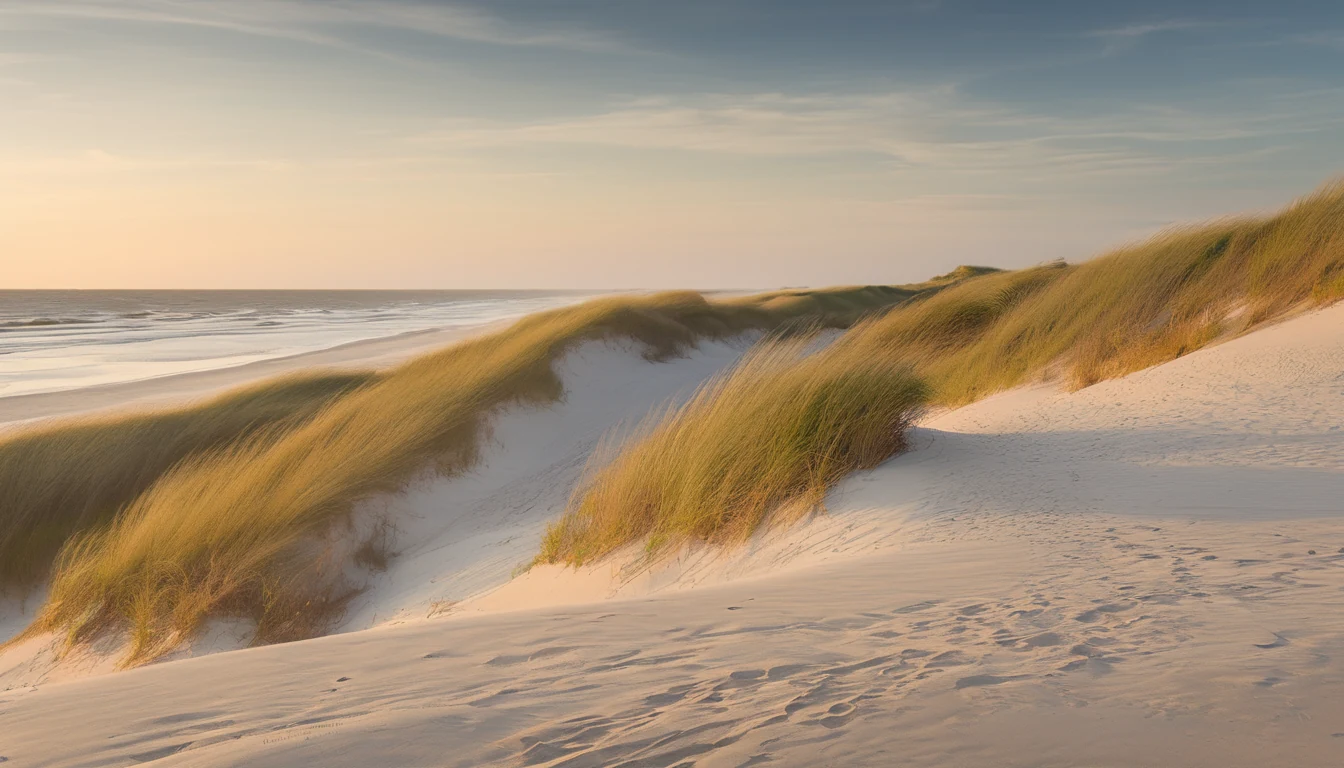
The ferry deck is where Ocracoke first tells you the truth about itself. By the time the Hatteras crossing has settled into its seventy minutes of open water, you have watched the island rise out of the Pamlico Sound as a thin line of dunes, and you have understood the one fact that governs every purchase on it: there is no bridge. Gulls work the wake, salt air carries the diesel, and the schedule posted by the pilothouse is the most honest real estate document you will read all day. Mainland Hyde is remote by road; Ocracoke is remote by water, and those are different kinds of remote with different carrying costs. Here are the five questions I would ask before writing an offer on the island.
1. Can you live with the ferry as your only road?
There is no bridge to Ocracoke. Three state vehicle ferry routes serve the island: the Hatteras crossing runs about seventy minutes and is free, with no reservations; the Swan Quarter crossing runs about two hours and forty-five minutes, takes reservations, and is tolled; the Cedar Island crossing runs about two hours and fifteen minutes and is also tolled. A seasonal passenger-only ferry from Hatteras serves day-trippers. Sit with what that means as an owner rather than a visitor. Every contractor, every appliance, every load of lumber, every septic pumper, and every insurance adjuster after a storm gets to your property on a ferry schedule. If that schedule is part of the appeal, keep reading. If you plan to ignore it, that is a problem, not a detail.
2. Is the parcel actually buildable private land?
Ocracoke’s private land is concentrated in the village, clustered around the Silver Lake harbor at the southern end of the island. Almost everything outside the village is Cape Hatteras National Seashore, managed by the National Park Service. That federal boundary is the single most important fact in Ocracoke real estate, because it means the supply of buildable private land is essentially fixed. Nobody is platting a new subdivision on Ocracoke. Ever. When you look at a parcel, ask what it actually is: buildable private land, a lot that needs work to be buildable, or Seashore ground that can never be built on. The answer decides what the property is worth today and what it can ever become.
3. What does the insurance stack cost on a barrier island?
Ocracoke sits on the ocean side of the county, and the insurance market treats it that way. Barrier-island wind and flood exposure means most buyers end up layering wind coverage, often through the NCIUA, the state’s residual wind-and-hail market, on top of flood coverage and a standard homeowners policy. Add an elevation certificate to the conversation, because it measurably changes what flood coverage costs. Nobody can quote you the number from a blog post. Get quotes from a licensed NC agent on the actual property before you are under contract, and remember that claims logistics run on the ferry schedule too. An adjuster is not driving to your island; he is waiting on a crossing.
4. Can the numbers work as a rental?
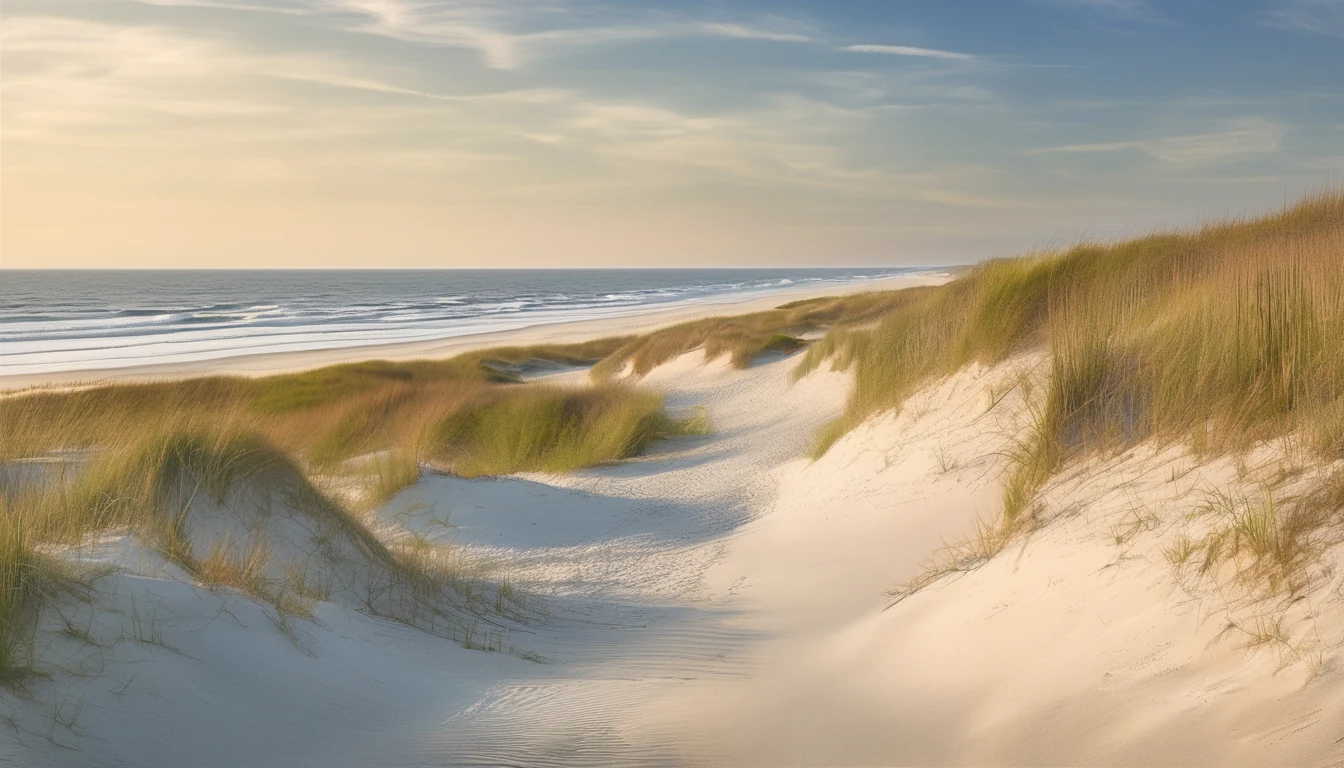
A big share of Ocracoke demand is the resort and short-term-rental market, and island pricing sits at a completely different tier than mainland Hyde County for a reason. If you are buying with rental revenue in mind, underwrite it like a business, not a feeling: current short-term rental rules in Hyde County, occupancy taxes, what the property actually rents for in season and out, and what the island’s fixed supply does to the long game. A seller’s rental sheet is a marketing document. Verify it against the county and a lender who has underwritten island rentals before.
5. Who shows up when something breaks?
An island house breaks like any other house; the difference is who comes to fix it and how long they take to get there. The septic pumper, the electrician, the plumber, and the HVAC company all live on ferry time. Call-out costs are higher, schedules are longer, and the phrase “parts on order” becomes “parts on a boat.” Ask the sellers and the neighbors who actually services the island, what the wait times have been, and what a routine repair has cost. That is the honest carrying cost of a place this remote, and it deserves the same line in your budget as the mortgage.
The Bottom Line
None of this makes Ocracoke a bad buy. It makes it a specific buy, in a market that this site keeps deliberately separate from mainland Hyde County because mixing them would mislead both buyers. The trade you are making is real: a village on a harbor inside a National Seashore, fixed land supply, a resort rhythm, and a community that runs on ferry time, in exchange for logistics that will test your patience and an insurance market that demands respect. If Ocracoke is actually your market, most of the mainland brief is not for you, and I would rather tell you that plainly. Island transactions run through ferry schedules, Seashore boundaries, and rental underwriting that deserve specific answers. Call or text (252) 202-4945 and ask them directly.