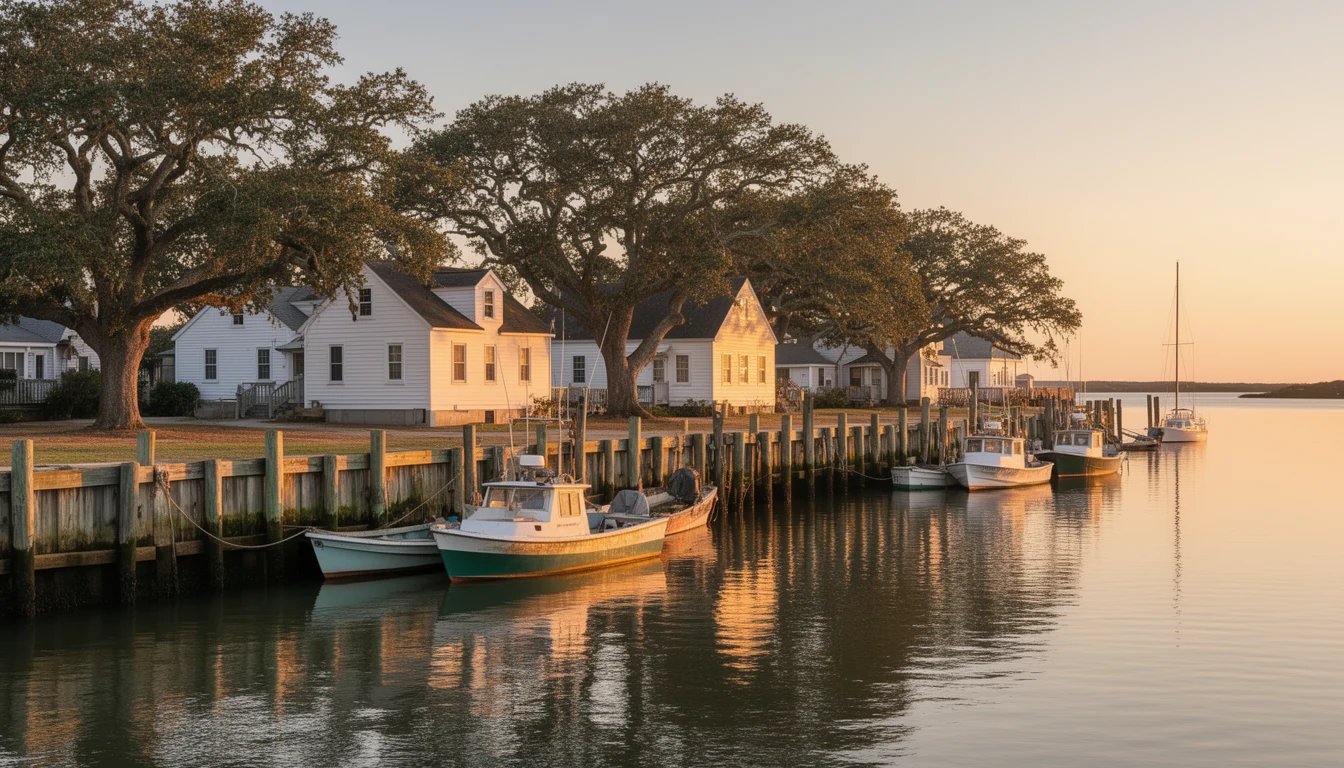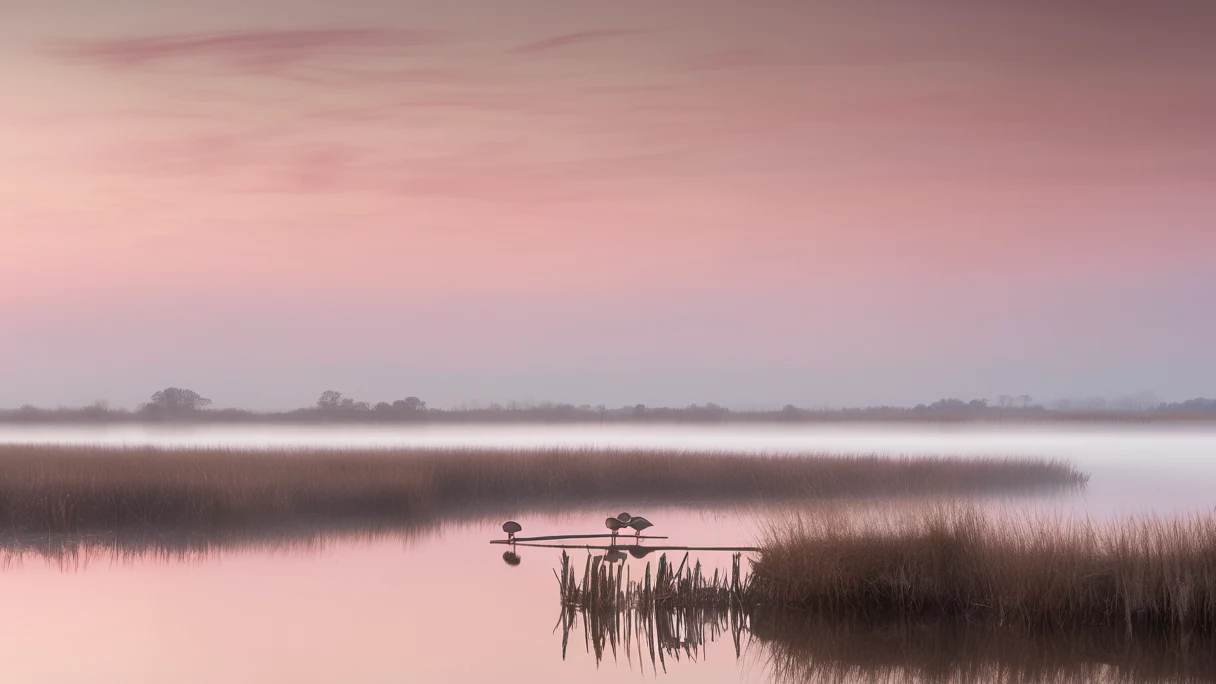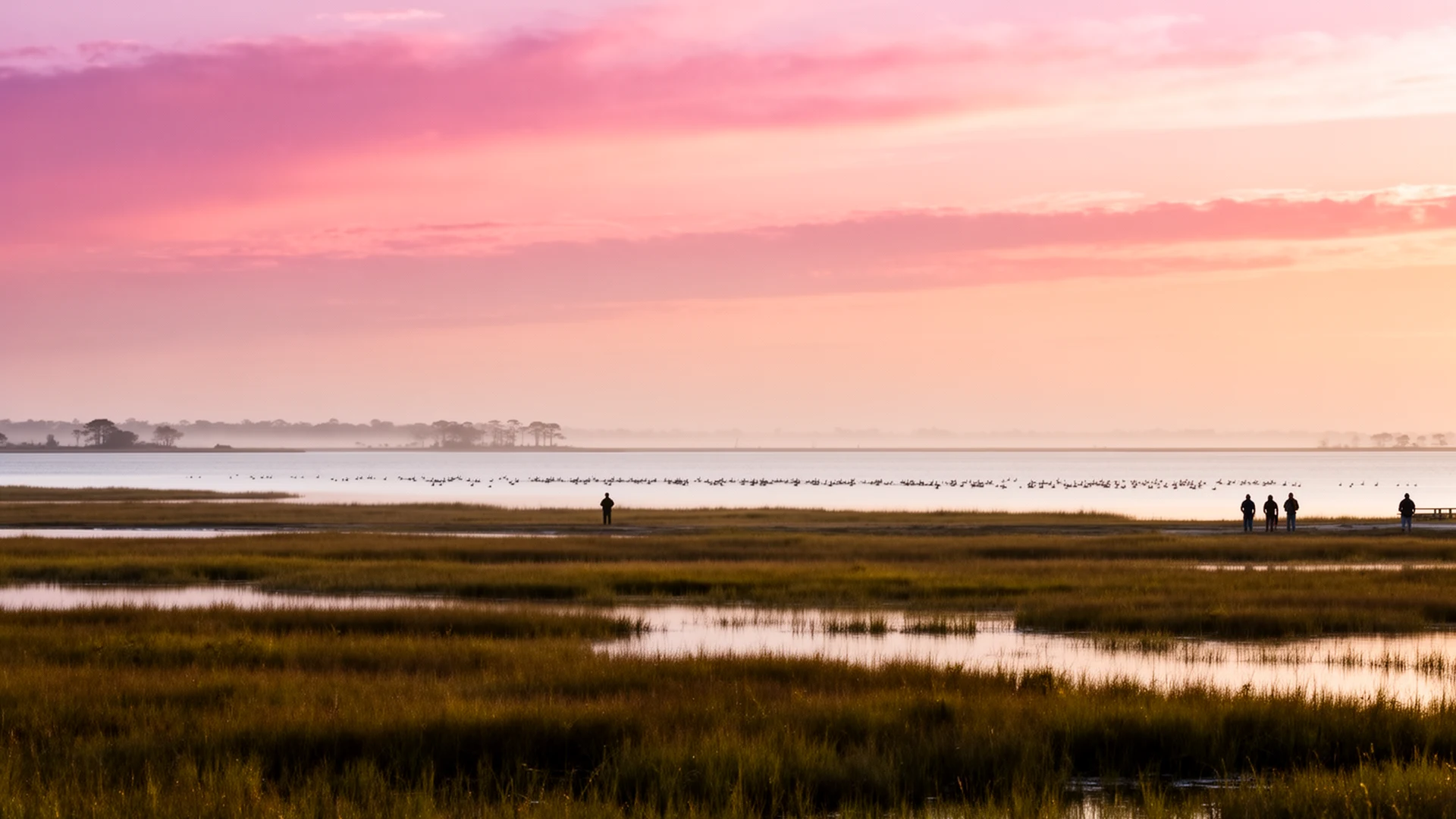


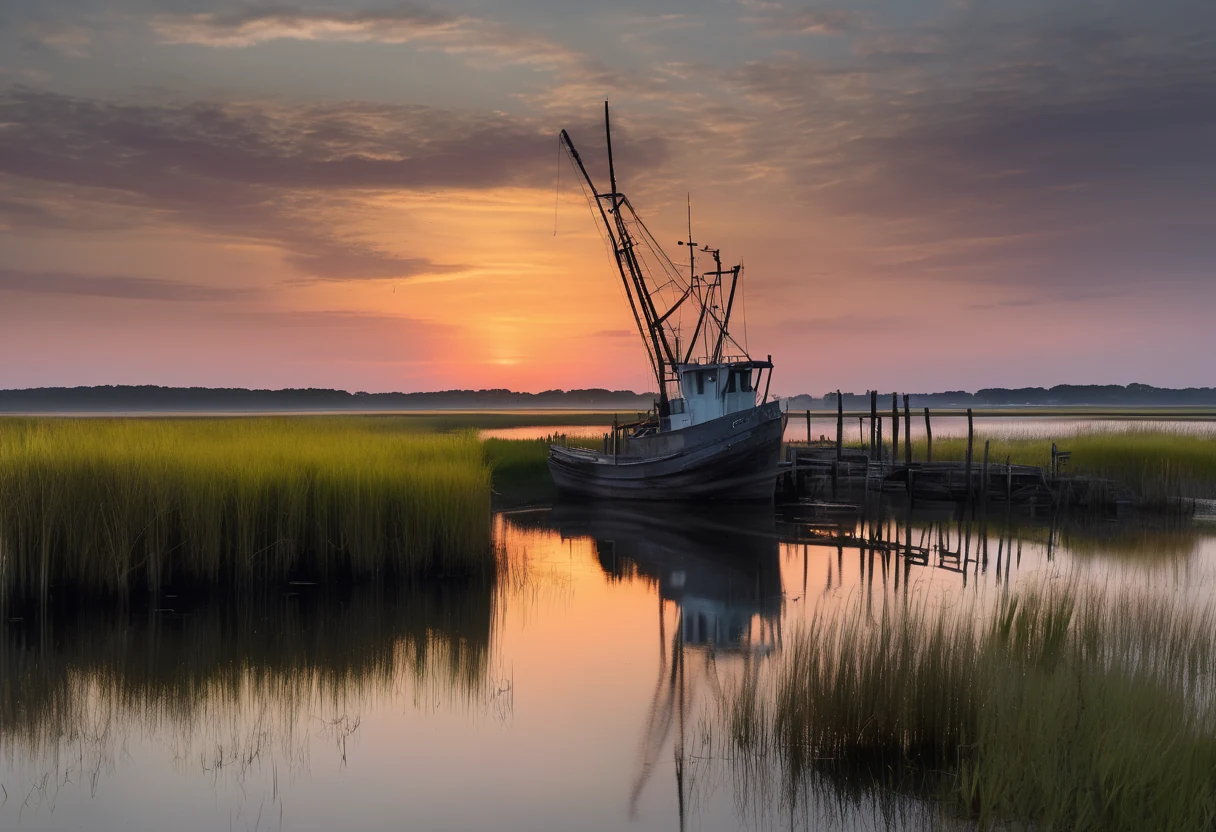
It is a little after five on an October morning, and the engines on Far Creek are already idling. You can smell the day before you can see it: cold salt water, diesel, and the sour tang of a fish house that has worked this dock for longer than anyone here can remember. A boat noses out toward Pamlico Sound with its running lights on, and its wake slaps the pilings. Engelhard is awake.
The creek comes first
Engelhard sits at the head of Far Creek, a small tidal inlet on the eastern side of mainland Hyde County. That one piece of geography is the entire reason the village exists. A creek deep enough to reach the sound gives boats a protected place to tie up. A place to tie up becomes a place to land a catch. A place to land a catch becomes a village with a post office, a water tower, and a school bus route that runs past the docks.
U.S. 264 runs straight through it, about 47 miles west to Belhaven and 46 miles northeast to Manteo. At the last census, 374 people lived here. That is the honest scale of the place. It is not a resort that grew a harbor. It is a harbor that grew a few hundred people around it.
What comes over the rail
Commercial fishing is the oldest business in this county, and it still pays electric bills. Boats working out of Far Creek and the docks around it land brown and white shrimp, blue crab, and finfish. Pamlico Sound is where a large share of North Carolina’s shrimp is harvested by trawl, and blue crab is one of the state’s most valuable commercial fisheries.
On the dock it reads as a rhythm rather than a statistic. Ice goes out before light and comes back as packed boxes. The scales at the fish house run all afternoon in season. A truck hauls the day’s landings out of the county while most people are still on their first cup of coffee, and by the time you drive past, the shed already smells like the tide.
The calendar is a season, not a month
Nobody here needs a planner to know what month it is. July is peeler season, the run of blue crabs about to shed the hard shell that makes them soft-shell crabs, and the shedding tanks behind the docks are busy. Late summer slides into fall, and the trawlers stay out longer as the shrimp run. Fall shrimp are the ones sold by the cooler, and the boats that landed them are back at the dock in the dark.
Winter is the quiet season. The creek empties out, boats come up on the bank for repair, and the wind off the sound cuts straight across open water. That is when you feel how few people there are, and how far the nearest anything sits.
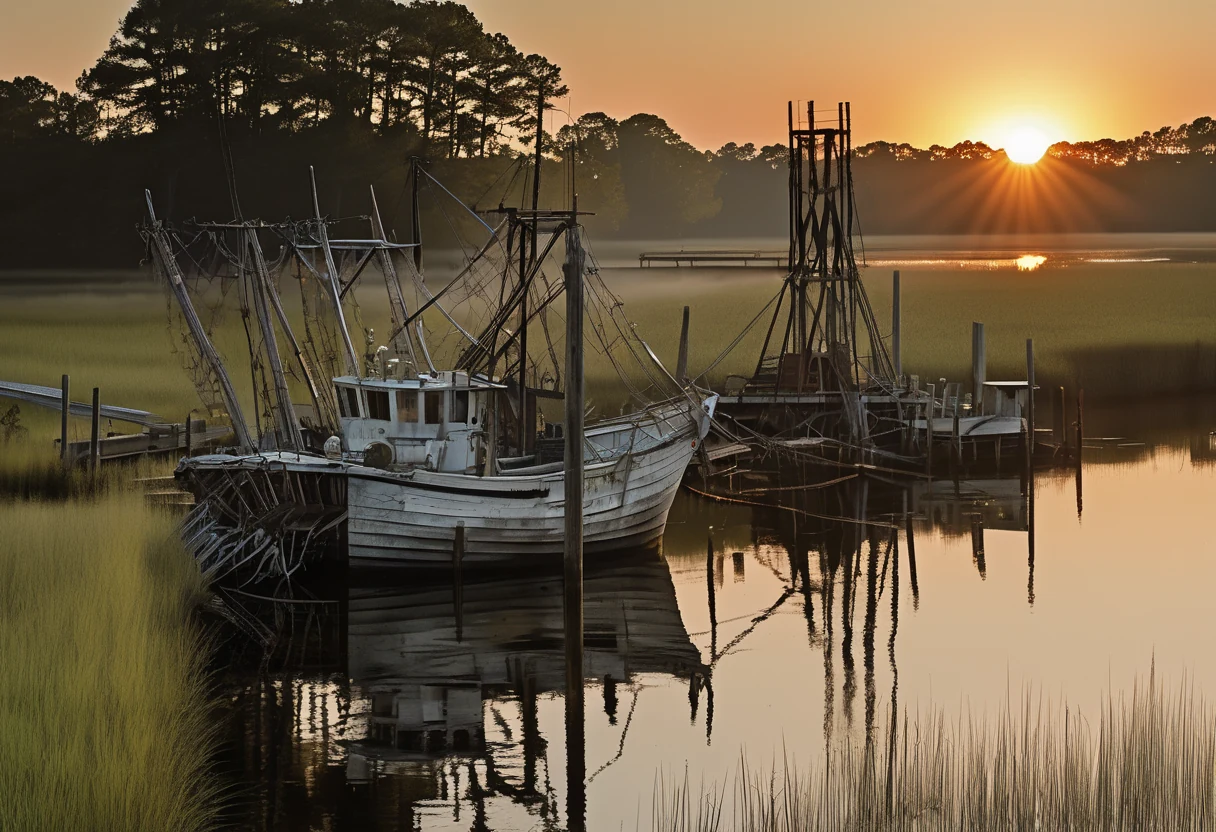
What you inherit on the water
A house near Far Creek comes with the working waterfront attached. You will hear engines before dawn. You will smell the fish house on a still morning, and you will smell it more in August than in January. Trucks move early, and they move slow.
Whether that bothers you depends on what you came for. The buyer who wants a working town wants the noise, the ice, and the smell, because that is the sound of an economy that does not depend on a short tourist season. The buyer who wanted only a quiet dock at sunset will find the creek busier than the listing photos let on.
The trade-offs do not move
Engelhard has no grocery store. The nearest full grocery is about 47 miles west in Belhaven, and there is no hospital in Hyde County at all, so a specialist appointment is a real drive, usually toward Greenville or across toward the Virginia line. School-age kids ride to Mattamuskeet School in Swan Quarter, the county’s single mainland PK-12 campus, because there is no closer option and no choice to make.
The water that pays the dock also owns the driveway. This is sound-side ground, hurricane season is not a hypothetical here, and flood and wind coverage belong in the budget before they belong in the daydream. Marsh water rises, low roads close, and the creek that carries the boats also decides some mornings when you are going anywhere.
Who fits here
The decision is less about the house than about whether you want to live inside a working waterfront or merely beside one. People who buy here tend to have already answered that in their own heads. They want a place where the day starts with engines, the neighbors know the tide without checking, and the view out the back is a boat, not a brochure. People who are looking for a tidy marina village with a coffee shop will spend one morning on Far Creek and start scrolling Zillow again.
What this waterfront gives back is not scenery. It is work you can watch, a creek that changes with the season, and a corner of Hyde County where the economy is a set of boats instead of a season of visitors.
Engelhard does not dress up for anyone. It works. Stand on the dock at first light the morning the fleet comes in, and you will know inside of ten minutes whether this is the water you have been looking for.
If you want to walk a creek-side parcel and see how close it sits to the fish house, Travis knows these docks and the ground around them, and he will tell you plainly which lots hear the engines and which ones do not. Call or text him at (252) 202-4945.