
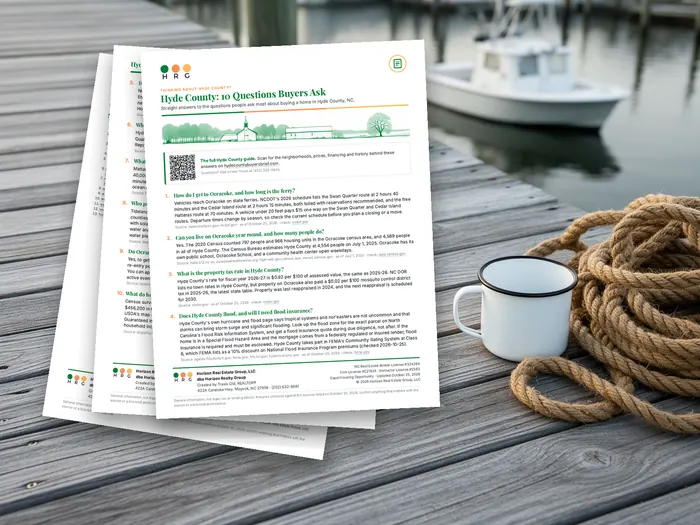
5 Flood Insurance Facts for Hyde Soundfront Buyers

In this post
- 1. The zone comes off a federal map, not off the view
- 2. Flood and wind are two policies that do not talk to each other
- 3. The elevation certificate is the document that prices a flood policy
- 4. The federal policy caps out lower than a soundfront house costs to rebuild
- 5. Coverage starts 30 days after you buy it, unless it is tied to your closing
- What I would do on a specific parcel
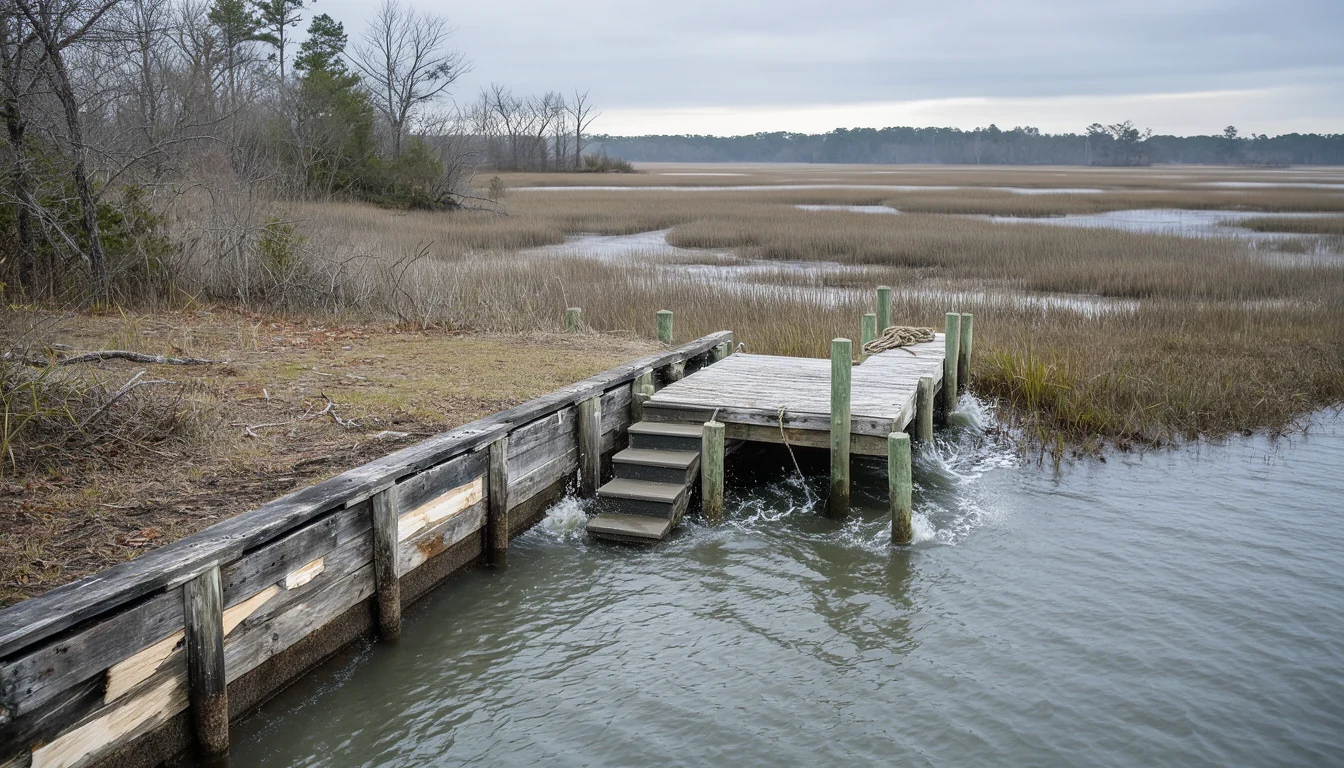
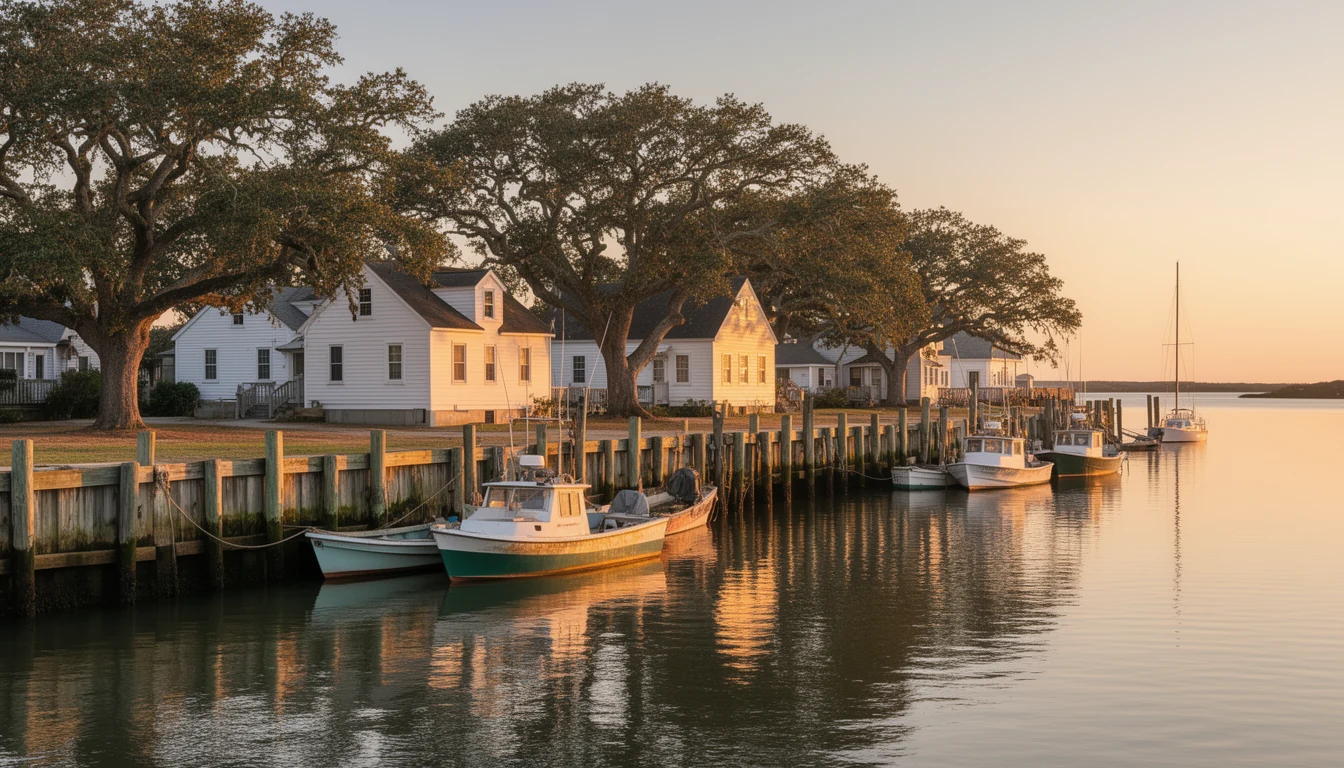
The wind comes off the Pamlico Sound steady and cold in late November, pushing a chop against the bulkhead behind a soundfront lot outside Engelhard. The marsh behind it has gone tan. A pair of buffleheads works the shallows. Standing there, it is easy to forget that the ground under your boots is the thing that decides what this property will cost you every year for as long as you own it.
Hyde County is roughly 58 percent water by area, and the county’s shoreline, marsh, and low farmland are why flood insurance here is not a formality you sign at closing. It is a line item that can change what a lender approves. Here are five facts I go through with soundfront buyers before they write an offer, in the order they tend to matter.
1. The zone comes off a federal map, not off the view
A parcel’s flood zone is drawn on a FEMA Flood Insurance Rate Map. The A and AE zones cover land inland of open water. The V and VE zones cover ground nearer coastal wave action, and they cost more to insure. None of that is decided by how the lot looks from the water.
Two lots on the same road can sit in different zones. One may be shown outside the high-risk area and the next one inside it, because elevation and the map’s modeling put them in different places. You look up the exact address or parcel at FEMA’s Flood Map Service Center (msc.fema.gov) before you write the offer. Your lender will run its own flood determination anyway, and if the parcel sits in a Special Flood Hazard Area on a federally backed loan, flood insurance becomes a condition of that loan whether you wanted it or not.
The chapter on flood, wind and insurance walks through how the zones work across the county. What matters at the lot is simpler: verify the zone on the parcel you are actually buying, not the one two doors down.
2. Flood and wind are two policies that do not talk to each other
Most homeowners and renters policies do not cover flood damage. That is stated plainly by the NFIP, and it catches people who assume their homeowners policy takes care of water. It does not, at least not water that arrives as a general condition of flooding.
On the wind side, Hyde is one of the coastal counties where wind and hail coverage is often written through the North Carolina Insurance Underwriting Association, the Beach Plan. That policy covers wind and hail. It does not cover flood.
So after a hurricane you may be dealing with two adjusters, two deductibles, and two claim timelines for the same storm. The wind adjuster wants to know whether the water came in before or after the roof opened. The flood adjuster wants to know whether the water was rising or blowing. Builders and adjusters argue about that line every time, and the honest advice is to document both sides of the damage before anything gets torn out.
3. The elevation certificate is the document that prices a flood policy
An elevation certificate records how high the building sits relative to the base flood elevation on the map. FEMA’s own guidance says getting one can lower what you pay, because the policy is priced on the elevation of the structure, not the elevation of the neighborhood.
If the seller has one, ask for it during due diligence. If they do not, ordering one is usually worth the money on a property you are serious about, particularly a house built before the current maps. Sometimes the certificate comes back with nothing helpful to say. That is still information, and it is cheaper to learn before closing than after.
For new construction the math runs the other way. The base flood elevation sets how high the lowest floor has to sit, and building above that minimum rather than right at it is one of the few decisions that keeps paying you back in premium every year. Bringing a pad up to that height in this county usually means fill, and placing fill is a regulated activity. Price it before you buy the land.
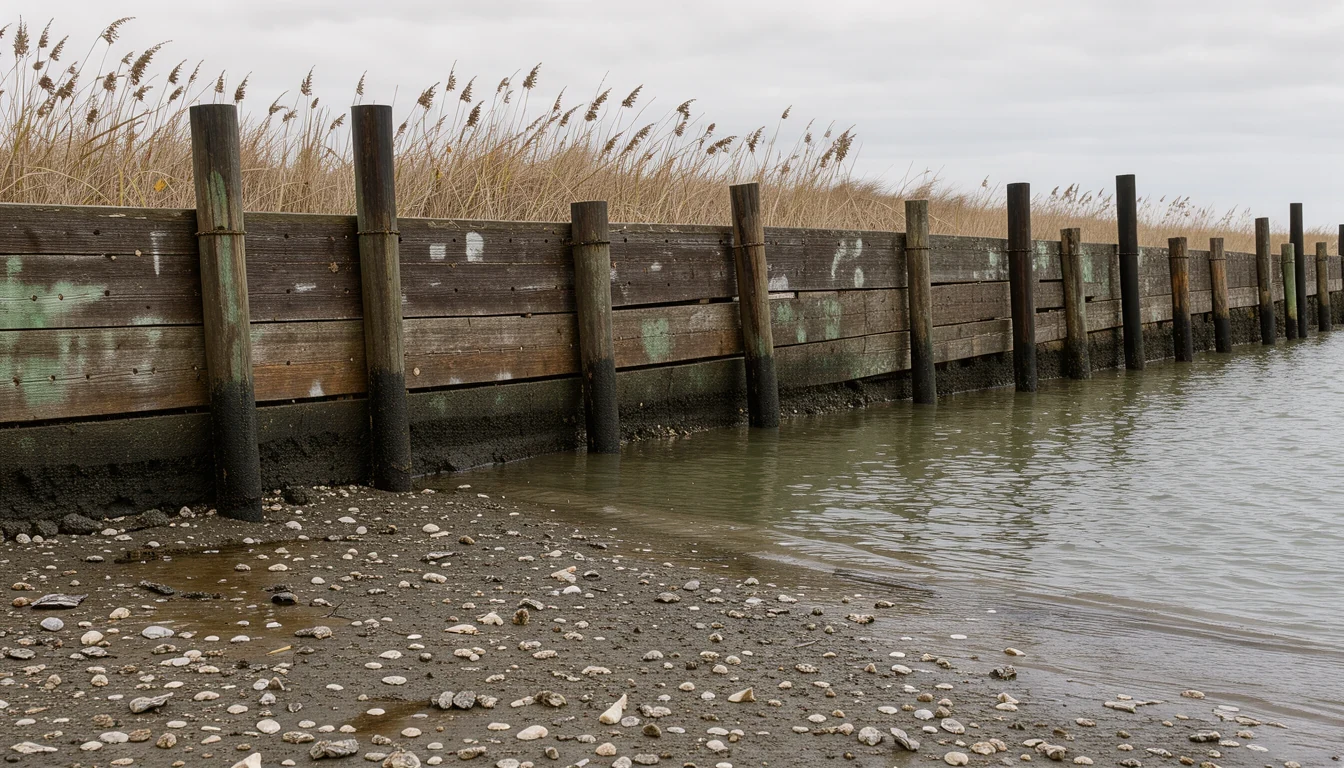
4. The federal policy caps out lower than a soundfront house costs to rebuild
An NFIP dwelling policy covers building property up to $250,000 and personal property up to $100,000. The two coverages are bought separately, with separate deductibles.
Three limits inside that matter on the water. Personal property is valued at actual cash value, which means depreciation comes off the top. The policy does not pay living expenses such as temporary housing, so a family displaced for months is paying rent out of pocket. And it is not a guaranteed replacement cost policy: it pays the actual damage up to the limit, and it will not pay one dollar past it.
That last point is the one soundfront buyers trip on. A house on the sound with a long view can cost well more than $250,000 to rebuild, and the federal policy stops at the cap no matter what the house is worth. The usual answer is a private flood policy or an excess flood layer above the NFIP policy. Private flood forms vary by carrier, and some cover things the federal policy will not, so the comparison is worth doing line by line rather than on premium alone.
One more piece in the same family: Increased Cost of Compliance coverage, which most NFIP policies include. It provides up to $30,000 to elevate, demolish, or relocate a home the county has declared substantially damaged. It is real help, and it comes out of the building limit rather than on top of it, so a $250,000 building claim plus ICC still totals $250,000.
5. Coverage starts 30 days after you buy it, unless it is tied to your closing
A new NFIP policy generally takes effect 30 days after purchase. There are limited exceptions, and the one that matters in a purchase is a policy bought in connection with a loan closing, where coverage can begin at the closing itself. A named storm in the forecast does not waive the wait. Neither does a call to the agent the week before landfall.
The practical version: if you are financing a soundfront purchase, the lender’s requirement and the closing exception line up, and you are covered at closing. If you are paying cash and want a flood policy on a property you already own, buy it well ahead of hurricane season, not when a storm has a name.
Policies run one year. Coverage stays in force for 30 days past expiration while you renew, and claims during that window are honored as long as the premium is paid in full by the end. Plenty of Hyde County owners have learned that the hard way in the middle of a November nor’easter.
What I would do on a specific parcel
Start with the map, then the certificate, then the quotes. Pull the flood zone at msc.fema.gov for the exact address. Ask the seller for an elevation certificate and read the lowest floor elevation against the base flood elevation. Then take both numbers to a licensed NC agent and get real quotes on that property, wind and flood separately, before the offer goes in rather than during the due diligence window.
If you are weighing a lot on the sound near Engelhard, a house on Silver Lake at Ocracoke, or ground up US 264 toward Swan Quarter, Travis will run those three steps against the parcel with you and tell you what the numbers do to your monthly payment. Call or text him at (252) 632-8681. The insurance chapter is the longer version, and the financing chapter explains why the insurance quote has to come before the lender conversation.
Keep reading
7 Ways Ocracoke and Mainland Hyde Differ for Buyers
One county, two different buying experiences. How Ocracoke and mainland Hyde differ on access, land, schools, storm risk, and what you can actually own.

Engelhard's Working Waterfront: How the Catch Built It
Engelhard works for a living: crab, shrimp, and a tidal creek built this Hyde County waterfront village, and they still set its daily pace for buyers.
Heirs' Property on Ocracoke: 7 Documents to Gather
Buying heirs' property on Ocracoke? Seven documents to gather before you write an offer, from the deed chain to the tax record and the title commitment.